For US Healthcare Professionals
For US HCPs
You are about to leave a GSK website
You are about to leave a GSK website. By clicking this link, you will be taken to a website that is independent from GSK. The site you are linking to is not controlled or endorsed by GSK and GSK is not responsible for its content.
Resources to support you and your patients
Let EasyVax™ help your patients schedule their vaccinations
EasyVax (powered by GSK) is an online tool that can help your patients find and schedule their vaccination appointments at a pharmacy convenient to them. Have your patients visit EasyVax to schedule their appointments before they leave your office.


See what is recommended for your patients at increased risk of shingles
Shingles
Shingles, or herpes zoster, is caused by the reactivation of the varicella zoster virus (VZV).1 Shingles causes a painful blistering rash that typically lasts 2 to 4 weeks and can lead to serious complications, including postherpetic neuralgia (PHN) and herpes zoster ophthalmicus (HZO).1,2 PHN is long-term pain in the area where the rash was and occurs in 10%-18% of cases. HZO can occur in 10%-25% of shingles cases and could lead to ocular complications and, in rare cases, vision loss.2,3
Facts About Shingles
- An estimated 1 million cases of shingles occur annually in the United States1
- Shingles can be painful and can lead to serious or long-lasting complications2
- About 99.5% of people aged 50 years and older are infected with VZV1
- In 1 in 3 people, dormant VZV reactivates in their lifetime and causes shingles1
- Starting at 50 years old, the risk of developing shingles sharply increases1,3
See what is recommended for your patients at risk for severe RSV
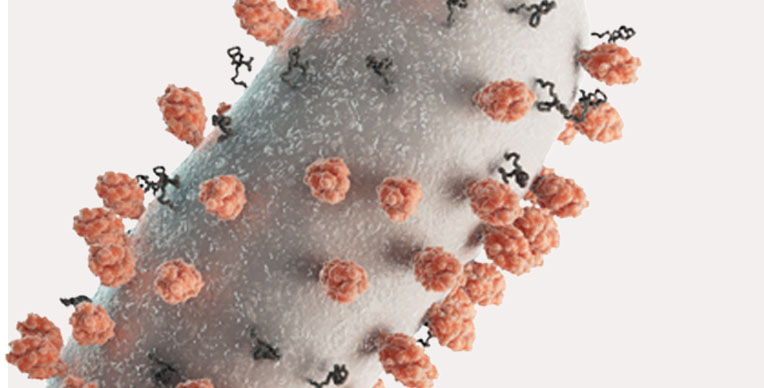
RSV
Respiratory syncytial virus, or RSV, is a common respiratory virus usually associated with mild symptoms consistent with an upper respiratory infection, typically resolving in 1 to 2 weeks in most adults.4 RSV can be severe, especially in very young infants and older adults, including those with weakened immune systems or chronic heart disease, or chronic lung disease such as COPD and asthma.4
Facts About RSV
- Older adults, including those with weakened immune systems or chronic heart disease, or chronic lung disease such as COPD and asthma, are at increased risk for severe RSV disease4
- Symptoms in adults are typically mild but can become severe and can be consistent with lower respiratory tract infections, such as pneumonia4,5
- Some RSV infections can even lead to hospitalizations or death5
- In most regions of the United States and other areas with similar climates, RSV season generally starts during fall and peaks in the winter4
COPD=chronic obstructive pulmonary disease.
Helpful videos coming soon

References
Shingles (herpes zoster). Clinical overview of shingles (herpes zoster). Centers for Disease Control and Prevention. Reviewed June 27, 2024. Accessed July 16, 2025. https://www.cdc.gov/shingles/hcp/clinical-overview/index.html
Clinical features of shingles (herpes zoster). Centers for Disease Control and Prevention. Reviewed May 10, 2024. Accessed July 16, 2025. https://www.cdc.gov/shingles/hcp/clinical-signs/index.html
Harpaz R, Ortega-Sanchez IR, Seward JF; Advisory Committee on Immunization Practices (ACIP) Centers for Disease Control and Prevention (CDC). Prevention of herpes zoster: recommendations of the Advisory Committee on Immunization Practices (ACIP). MMWR Recomm Rep. 2008;57(RR-5):1-30.
Respiratory syncytial virus infection (RSV). Clinical overview of RSV. Centers for Disease Control and Prevention. Reviewed August 18, 2025. Accessed January 28, 2026. https://www.cdc.gov/rsv/hcp/clinical-overview/index.html
Respiratory syncytial virus infection (RSV). RSV in adults. Centers for Disease Control and Prevention. Reviewed July 8, 2025. Accessed July 9, 2025. https://www.cdc.gov/rsv/adults/index.html